
How a photovoltaic system works: from solar energy to consumption
A photovoltaic system converts light into electricity. To understand how it works, it is useful to follow the energy path: from the modules to the inverter, then to the building’s consumption and to the grid, with any storage designed to move the energy over time.
Published on January 13, 2026
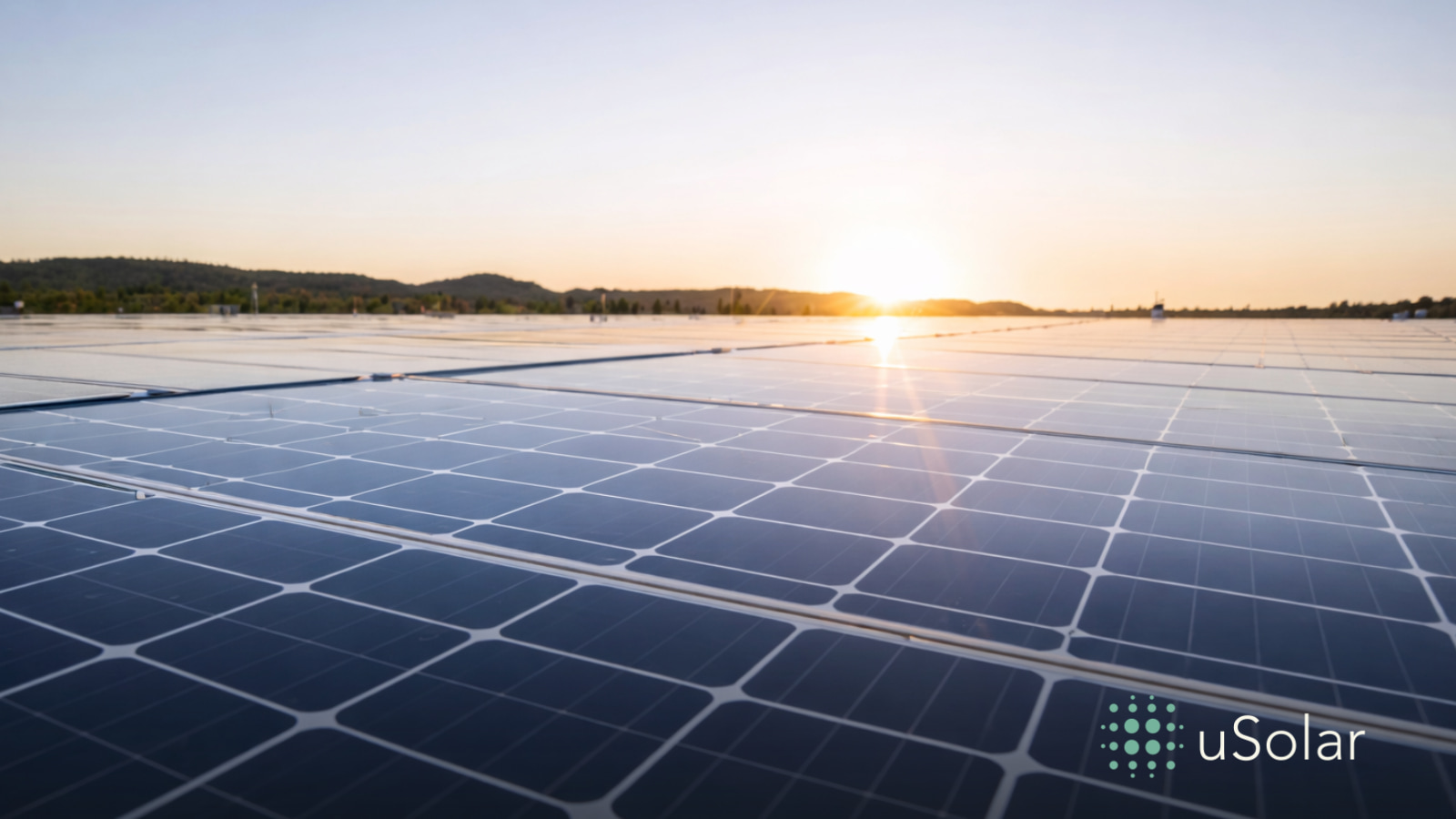
Three points to keep in mind
01
Photovoltaic converts light into electricity.
02
The network integrates consumption and can receive the excess.
03
The battery moves energy and does not automatically imply backup.
01 / In Depth
The modules transform light, not heat
Photovoltaic cells generate electricity when they receive light. The modules collect more cells and are connected to form the generator. Output changes with irradiation, orientation, temperature, and other installation conditions.
Intense heat is therefore not a requirement for good production. Even on cool days, good production can occur if light is available. At night, however, the photovoltaic generator does not provide solar energy for consumption.
02 / In Depth
The inverter connects the generator to the electrical system
The generator produces direct current; the inverter converts it into the alternating form used by the building’s electrical system. It also performs the control functions provided by the model and configuration.
The system also includes related structures, connections, protections, and measurement systems. Therefore, it is not just a matter of the panels themselves: the quality of the design and integration matters as much as the choice of individual components.
The path of energy
Simplified architecture of a system connected to the network.
01
Modules: DC current
02
Inverter
03
Paintings and loads
04
Network: two-way exchange
05
Optional bidirectional storage
The scheme does not automatically assign backup functions.
Instantaneous examples: 2+1=3 kW and 4=3+1 kW.
03 / In-depth analysis
Production, consumption and the network meet over time
When the available production covers part of the current loads, that quota is used on-site. If production exceeds demand, the surplus can be fed into the grid according to the applicable configuration and ratio; if not enough, the grid covers the remainder.
Instantaneous example without battery: with 2 kW photovoltaic panels and 3 kW of loads, 1 kW is drawn. If 4 kW are produced at another time and 3 kW are consumed, 1 kW is drawn. These are examples of a balance sheet, not typical performance for a specific size.
04 / In Depth
The battery adds a function, not a new source
An energy storage system can store part of the available energy and return it later, within the limits of the system’s capacity, power, and management. The transition involves losses and does not replace the production that is missing.
The presence of a battery does not automatically imply power supply during a blackout. Backup requires specific functions and configurations, with separation from the network and loads provided by the project. This possibility should be clarified before purchase.
05 / In-depth
Power and energy help to interpret the results
kW describes the power in a given moment; kWh describes the energy over a given period. A device that consumes an average of 1 kW for two hours requires 2 kWh. The nominal value of the panels does not mean that that power will be available at all times of light.
When choosing the system, consumption, area, shade, and electrical infrastructure are taken into account. After startup, monitoring helps track flows and identify changes. Understanding these steps makes it easier to evaluate a proposal and use the system without expectations based solely on the number of panels.
When installing the system, it is useful to be explained the meaning of the main screens and what data to store. Knowing where to read energy, alarms, and the latest update makes everyday use easier and allows you to report any changes without confusing different sizes.
The most frequently asked questions
No. Light is the fundamental factor; high temperatures can reduce power compared to cooler conditions, given other factors are equal.
It is not an automatic consequence. Production, consumption, network and contractual components must be evaluated separately.
No. The former indicate power, the latter energy over time: confusing them makes sizes and consumption less readable.

 Italiano
 English (UK)
 Español
 Deutsch (Sie)
