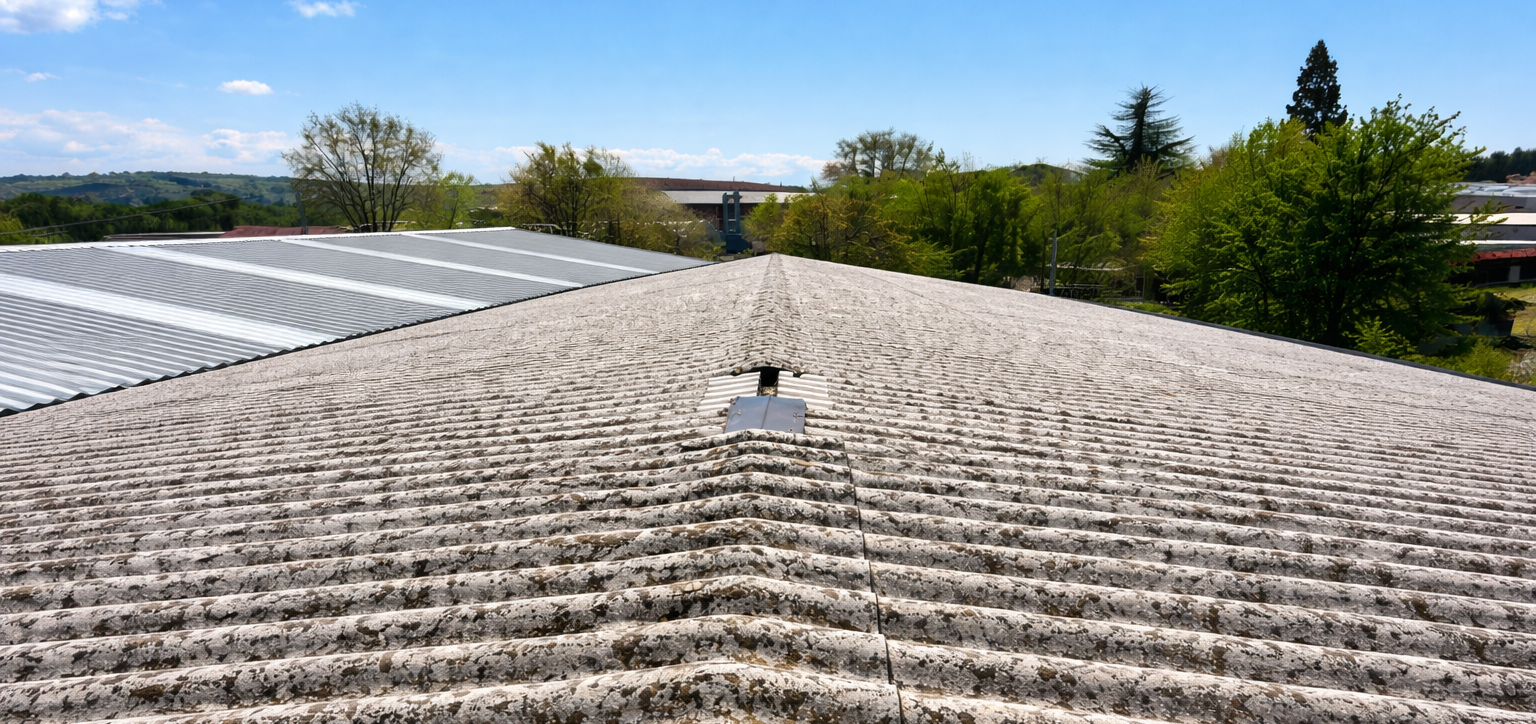
Coated with wavy sheets with signs of aging

Removal and disposal of asbestos

Asbestos removal. A new future for your roofing.

Material assessment, planning of the intervention, waste remediation and management. With uSolar, the process links to the new roof project, while maintaining clear roles, checks and documents.

Before intervening

Knowing the material. Understanding the conditions.

“Eternit” is often used to refer to the old asbestos-cement coverings. However, the wavy shape, color, or a photograph are not enough to identify the material. The starting point is the building documents, the available information, and a competent assessment; when necessary, the verification is entrusted to qualified personnel.

Once the presence of asbestos has been verified, the condition of the structures is considered: integrity, degradation, potential for damage, and activities that could affect them. Accesses, heights, surfaces, and the use of the spaces below are also factored into the planning.

The presence of asbestos does not automatically mean that every covering must be removed immediately. It means that it must be evaluated and managed properly, identifying the necessary measures for that case.

Three methods of remediation to be considered for the material and the siteThe assessment of cover considers three distinct methods: 01, removal of the material with subsequent waste management; 02, encapsulation; 03, confinement. The latter two leave the asbestos-containing material in place and require control and maintenance. The choice depends on the condition of the material and the site. The choice follows the evaluation.010203

Three methods, different consequences

Remediation does not always mean removing something.

Removal, encapsulation and confinement are evaluated based on the material, the degradation and the use of the building. They are not interchangeable alternatives to be chosen solely based on price.

The decisive difference is what remains in place after the intervention. When asbestos remains present, control and maintenance continue to be part of the management.

The scheme distinguishes the outcomes of the remediation methods. The choice follows the evaluation of the case.

01

Removal

The asbestos-containing material is removed. The intervention includes the management of the waste produced and, when required, the replacement of the roofing. The choice requires specific planning for the site.

Material removed · Waste to be managed

02

Encapsulation

Appropriate treatment has the function of limiting the release of fibers. The material remains in place: the suitability of the support, application conditions, and subsequent monitoring must be evaluated.

On-site material · Control and maintenance

03

Containment

A barrier separates the material from the affected environment. In this case too, the asbestos remains present and the system must be monitored and maintained.

On-site material · Control and maintenance

Asbestos disposal

Qualifications and responsibilities

Coordination matters. So do the authorizations.

uSolar coordinates the path planned by the proposal and the connection with the works on the roof. The reclamation is carried out by companies that hold the relevant permits for the specific intervention.

Registration with the National Register of Environmental Managers for remediation is separate from the requirements for the transport of waste. This means that the relevant parties and the authorized destination are identified, without confusion being created between the execution of the work, the handling and the deposit.

Activities, responsibilities, and expected documents are clarified in relation to the project.

Construction site and company activities

Goods, people, equipment and production can share spaces close to the shipyard. Accesses, affected areas, interference and possible suspensions are evaluated before starting.

Timetables to plan

When the context allows, work can be organized by areas or phases. Accessibility, material conditions and subsequent works determine timeframes, interference and possible suspensions of the activity.

The path of removal

From the first record to the final documents.

Before the intervention, the planned activities and relevant obligations are defined. The work plan concerns safety and the organization of operations; transportation and disposal concerns the waste route.

These are linked steps, with separate responsibilities and documents. The timelines are determined after the evaluation of the site and the applicable requirements are met.

The operational and documentation path of the removalDisposal route: 01, planning and compliance by the competent authorities; 02, remediation carried out by the authorized contractor; 03, authorized transportation of the waste; 04, delivery to the authorized destination and traceability documents. The documentation accompanies the phases and is completed with the information regarding the receipt at the destination. A traceable path.01 · Plan02 · Reclamation03 · Transportation04 · Destination

01

Planning

Data on the construction product, site conditions and compliance requirements. For demolition or removal, the employer of the executing company prepares the plan provided for in Article 256 of Legislative Decree 81/2008 and submits it to the competent supervisory authority.

02

Carry out the remediation

Area organization, person protection and interference management are part of the work. The authorized company operates according to the procedures defined for the material and the construction site.

03

Transporting

The materials removed follow the planned path for waste, with authorized personnel and means and with relevant traceability documentation. The management does not end when the slabs leave the roof.

04

Granting and documenting

Authorised destination, receipt documents and relevant final verifications complete the process. The resumption of other activities is coordinated with the verifications planned for the construction site.

The document follows the material.

The Waste Identification Form, when required, lists the parties involved in the chain of custody, the material transported, and the destination. It must be considered in its completed version with the information regarding the plant’s receipt, according to the applicable procedures. These documents certify the waste’s journey; verification of the building and the completion of the construction site remain separate.

Thinking about the after too

From the reclamation to the new project.

If removal is planned, it is advisable to assess the replacement cover from the outset: supports, water resistance, insulation, skylights and access points for maintenance.

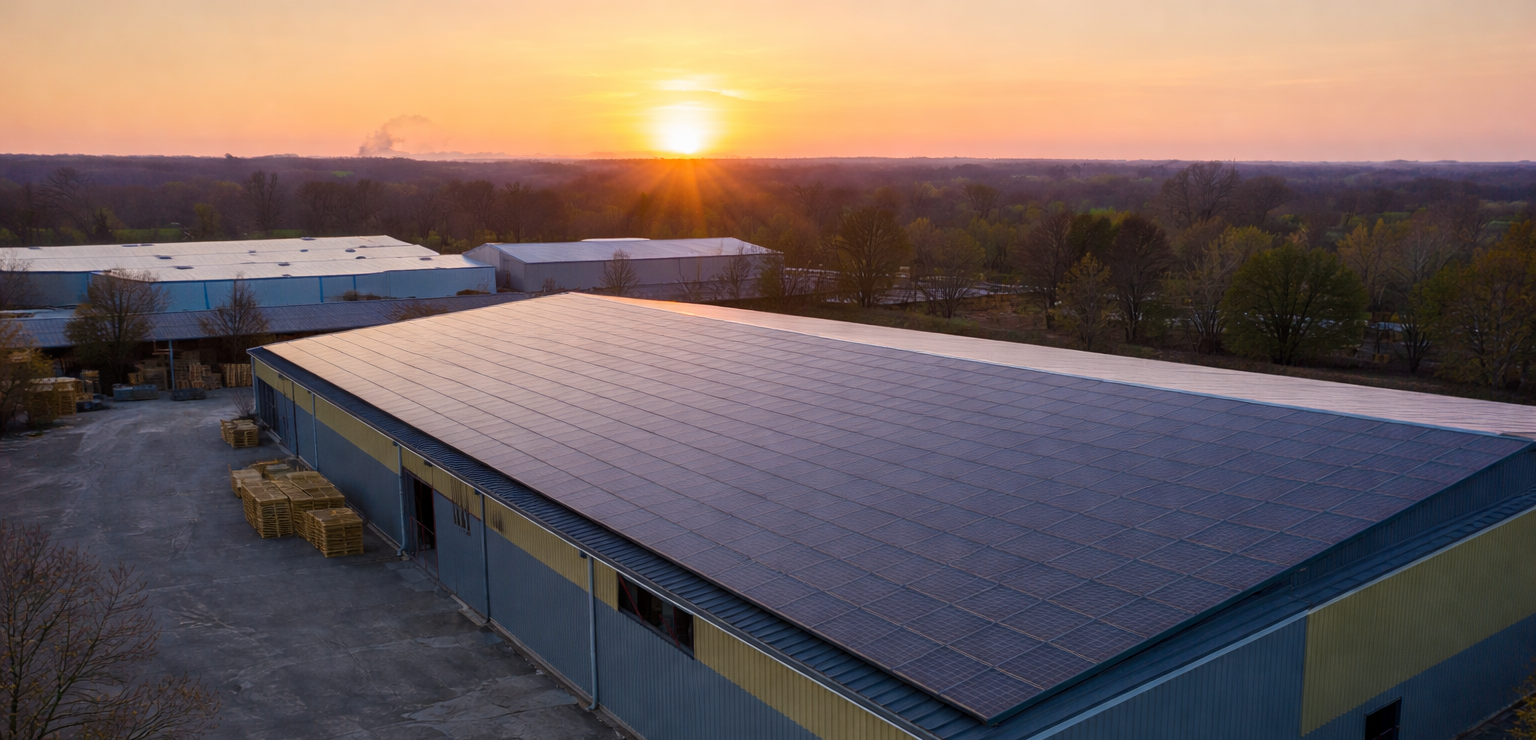
When the project includes photovoltaic systems, loads, mounting fixtures, and the configuration of the system must also be coordinated with the new roof. Reclamation and redevelopment remain activities with specific checks and responsibilities, organized within the same framework.

Industrial covers

Before you start

Answers for a conscious path.

Materials, eligible subjects, times and subsequent works: the points to clarify about your building.

We start from the available documentation and competent assessment. If examinations of the material are needed, they are organized with qualified personnel. A photograph can help describe the context, but it does not replace identifying the material: it is not necessary to take samples or send them in to request a preliminary comparison.

No. The decision depends on the condition of the material, the risk of damage, and the context. Inspection and maintenance may be necessary, or a remediation intervention may be required. Any requirements from the authority and territorial regulations must be considered on a case-by-case basis.

Companies with the relevant registration in the National Register of Environmental Managers. Category 10A covers construction materials containing asbestos bound in cementitious or resinoid matrices; category 10B includes other types of materials containing asbestos and is also valid for activities under category 10A. The transport of waste requires separate requirements.

It depends on the size, conditions, access, requirements and organization of the construction site. For the removal work plan, Article 256 usually provides for the dispatch at least 30 days before the start, with specific discipline for emergencies. It is a procedural term, not the duration of the work or a promise of automatic start.

Yes. Evaluating the interventions together helps to define the expected result and the sequence of the works. The reclamation, the characteristics of the new roof, and the feasibility of the photovoltaic system still need to be verified separately.

Location, use of the building, indicative dimensions, information about the material and documents already available. Photographs taken from a safe location are useful: do not climb onto the roof or tamper with the tiles to gather information.

We set the course for your building.

Tell us what you know about the coverage and what interventions you are considering. We will start with this information to identify the necessary checks and activities to coordinate.

×