
PHOTOVOLTAIC FOR THE HOUSE · USOLAR
The house changes.
Your energy, too.
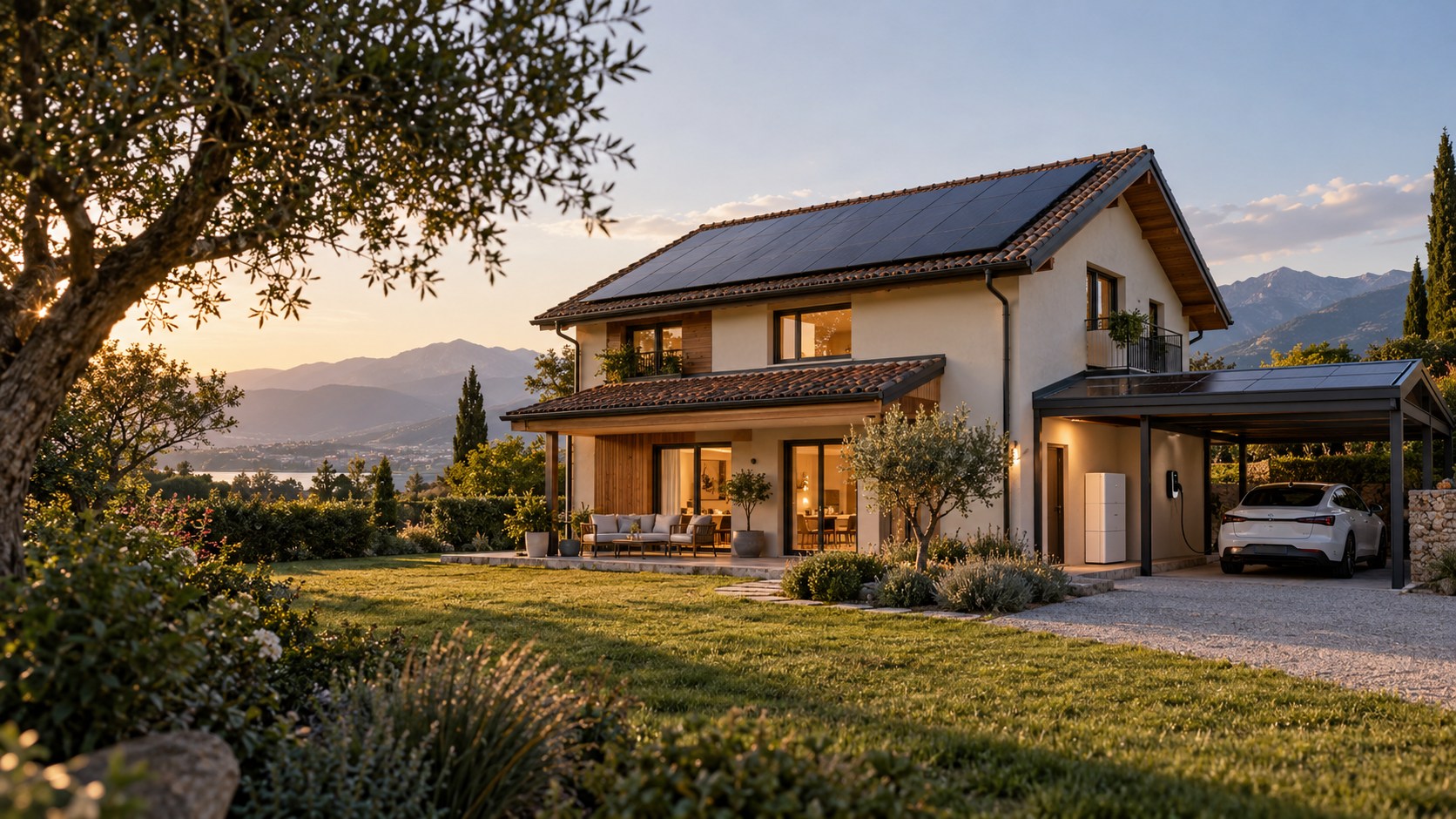
Photovoltaics, storage and electric charging, designed around your life. We start from your home and your habits to help you use the energy of the sun better.
Producing
Enhances the roof and outdoor spaces.
Conserves
Consider the energy to be used later.
Charging
Integrate the car into your home.
Check
Read production and consumption.
FIVE POSSIBILITIES, ONE PROJECT
Energy finds a place in your home.
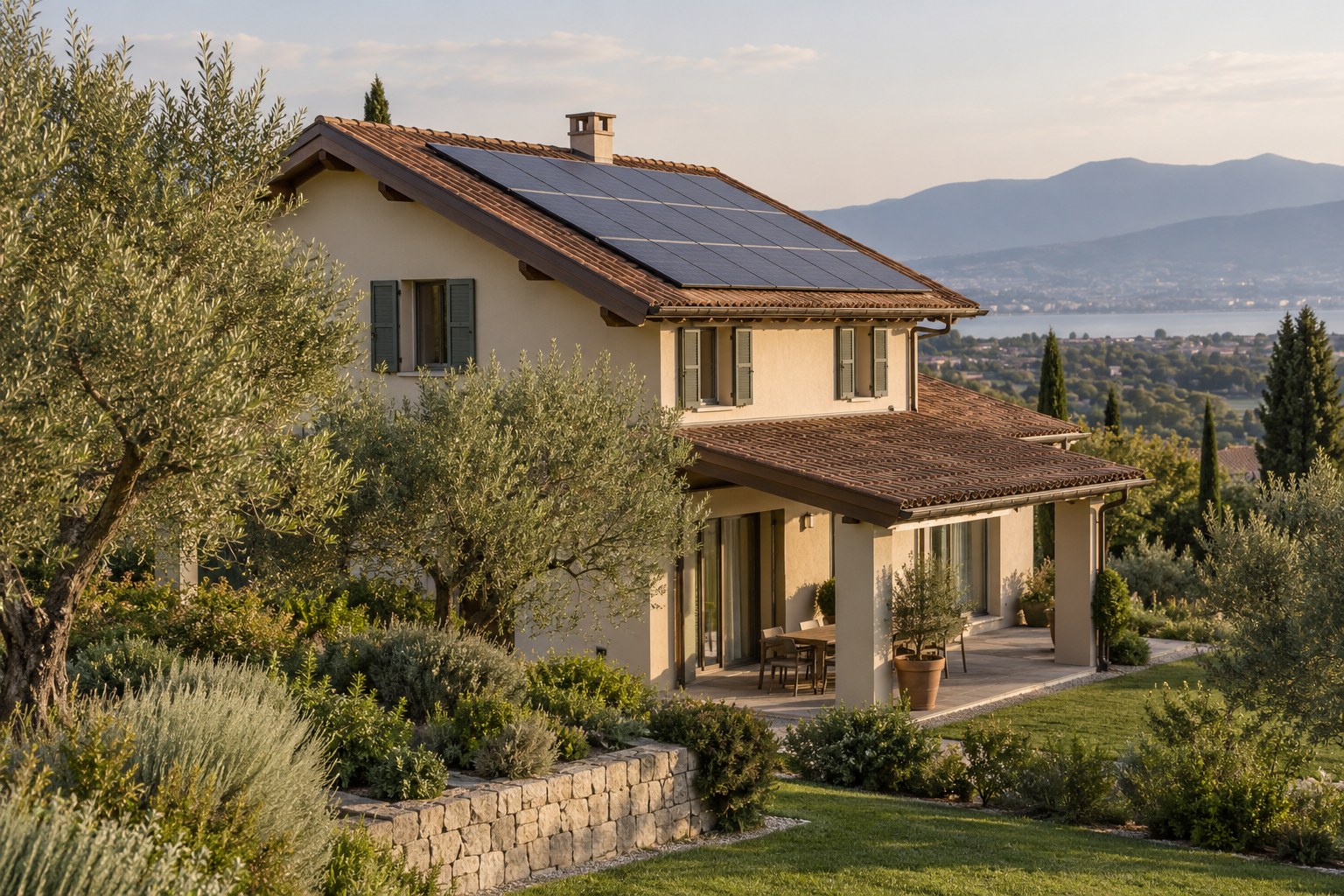
Photovoltaic on the roof
The surface area you already have can become part of your energy project. We study coverage, shading and consumption to choose the appropriate configuration.
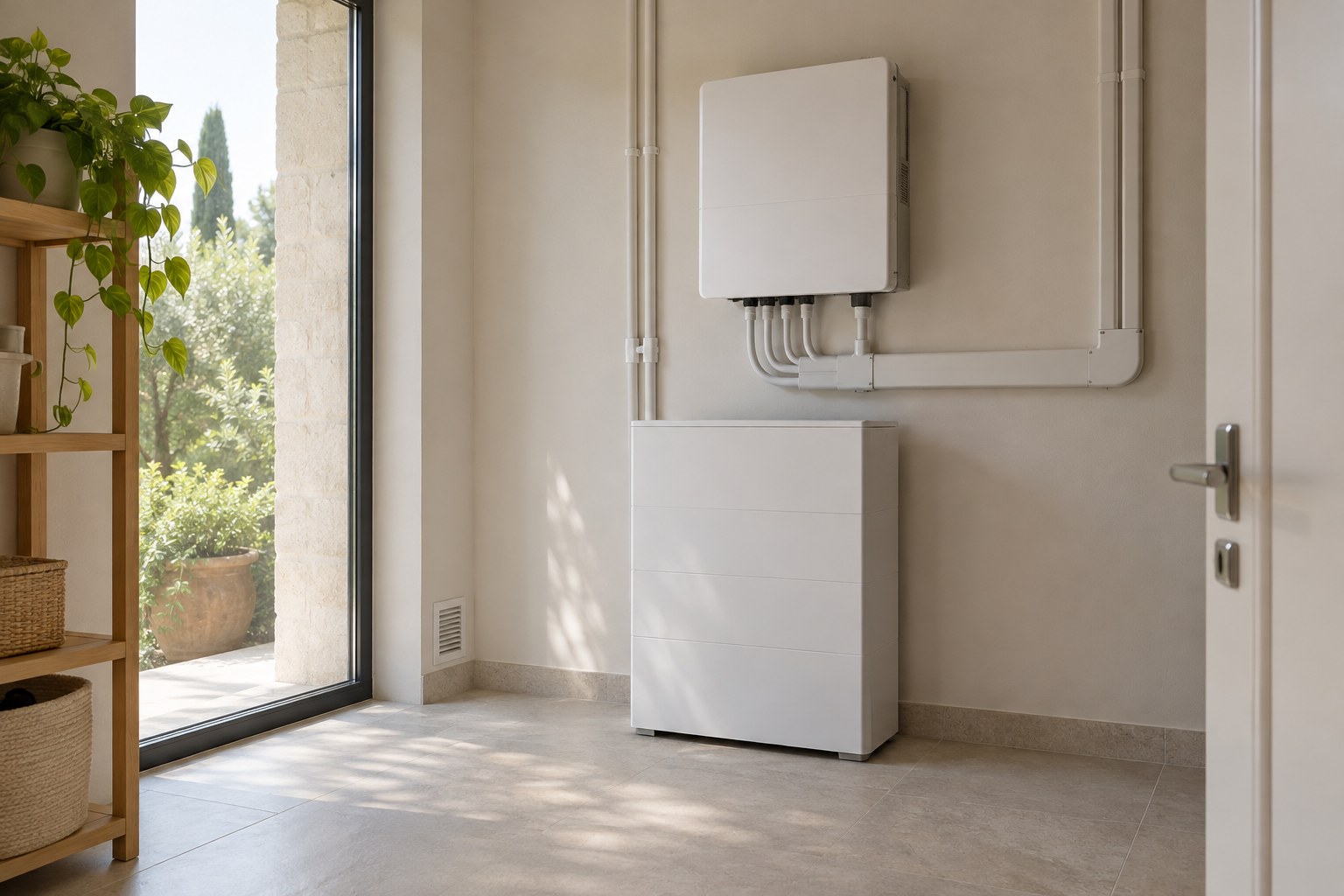
Storage batteries
It transfers part of the energy produced during the day to evening consumption. Capacity, power and compatibility are evaluated together.
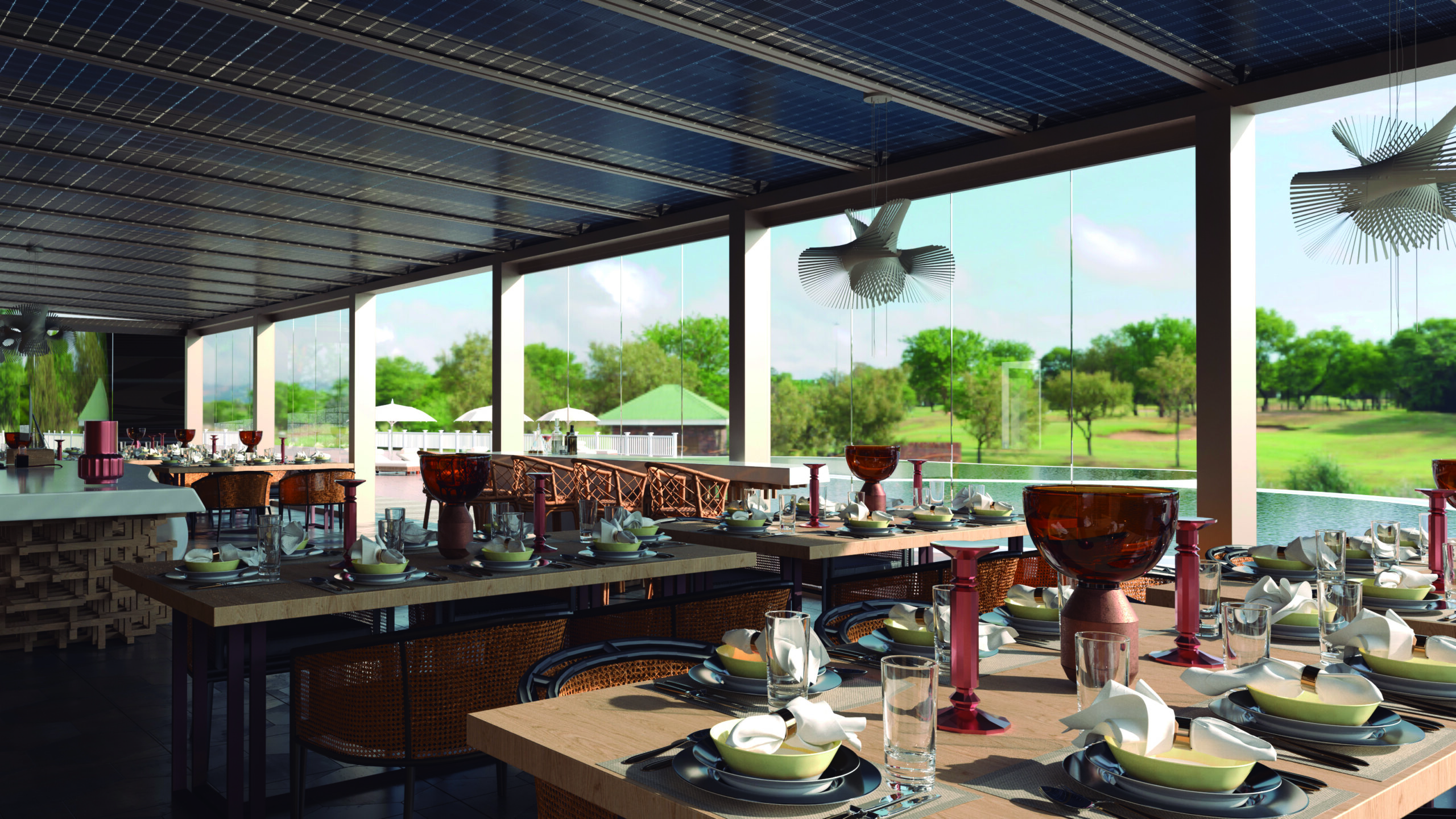
Photovoltaic pergolas
A space to be lived in, a surface that produces. Explore the wall-mounted, island-mounted and cantilevered configurations, with their respective dimensions.
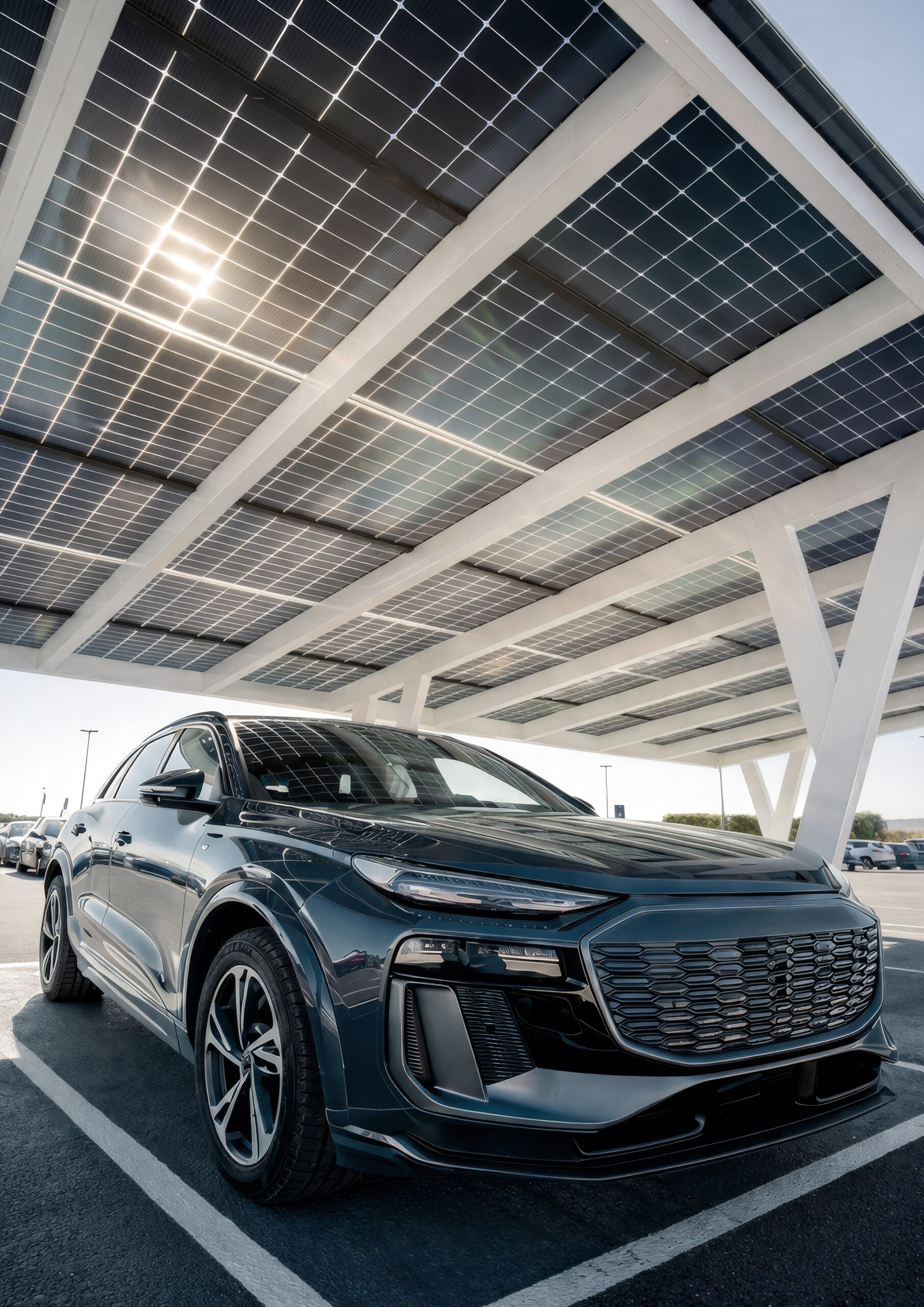
Carport for the house
Protect the car and use the parking space to generate energy. This is a solution that should also be considered in conjunction with electric charging.
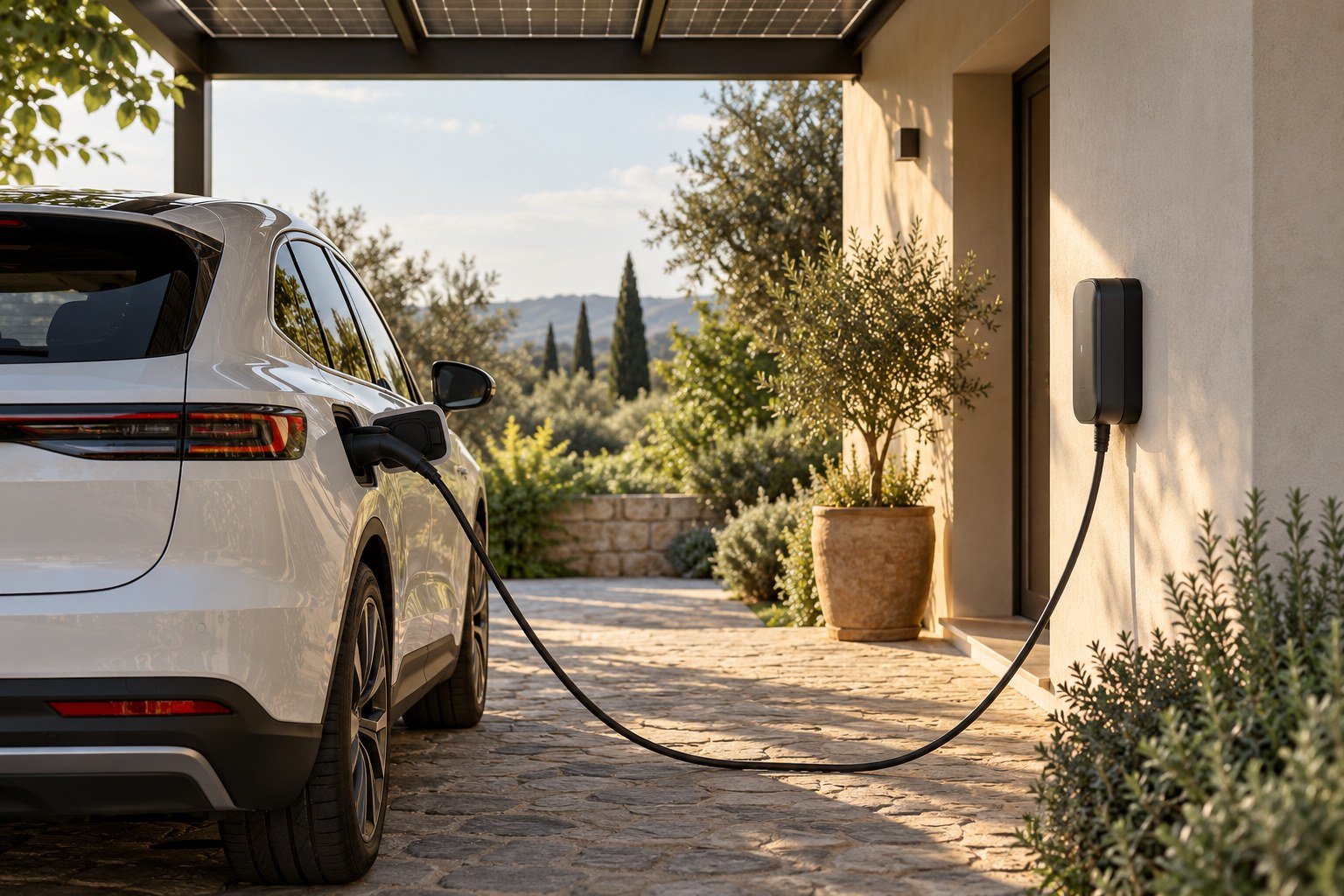
Electric charging
Charging during the break, with a wallbox chosen based on the car and the charging system. Load management helps to respect the available power.
THINKING THE HOUSE TOGETHER
Components that work together.
The photovoltaic system produces energy, the inverter makes it usable, and the battery can store part of it. The wallbox manages the charging and monitoring helps you understand what is happening.
The difference is in the project: compatibility between devices, available power, priority of consumption, and growth potential. Even a heat pump or a future electric car can change the initial choice.
The grid remains part of the system. The goal is to make good use of the available energy and reduce the drawdowns when photovoltaics and any storage can cover consumption.
THE SUN FOLLOWS YOUR DAY
From the first light to returning home.
Morning
The house lights up
Production increases with light. Contemporary consumers can directly use solar energy.
Central hours
Value the excess
When production exceeds consumption, a spare battery can be charged; the car can use solar energy if it is connected and the system is configured accordingly.
SERA
Energy accompanies you
The accumulation can feed part of the subsequent consumption, within the limits of available energy and power. The remaining demand comes from the grid.
PRODUCTION AND HABITUS
It doesn't just matter how much energy. It matters when.
Two houses with the same annual consumption may have different needs.
If the house is active during the sunny hours, part of the consumption can be directly fed to the production. If the family returns mainly in the evening, it becomes useful to understand how much of the daytime surplus could be conserved.
The analysis also considers appliances that require power at the same time: the kitchen, the heat pump and the car’s charging system do not always have the same schedules.
Synthetic profiles: example with a photovoltaic peak of 5 kW and selected consumption to show the comparison. The actual performance changes with season, orientation, shadows, and habits.
The lived-in house by day
Working from home and activities in the central hours: let's start with contemporary consumption before considering accumulation.
The return in the evening
Dinner, lights and comfort concentrated after sunset: we compare available daytime energy and subsequent needs.
The car enters the project
Stop times, routes and available power help to choose the wallbox and manage the loads.
FOLLOW THE FLOWS
The energy is divided. The project gives it a direction.
Production, self-consumption and accumulation are different quantities.
In this example, the house immediately uses 8 kWh of the 20 kWh produced. Of the remaining 12 kWh, 10 kWh goes into the battery and 2 kWh goes to the grid. The battery returns 9 kWh in subsequent consumption; 1 kWh represents the losses of the cycle.
This budget helps to read the flow patterns, but it does not by itself tell you whether a battery is suitable or how much energy the home still needs to draw from it. That’s why consumption, prices, and the characteristics of the system are needed.
Illustrative assumptions: alternating current values, AC-AC cycle efficiency of 90%, battery with available space and sufficient subsequent demand. Compatible power and capacity are assumed; this is not a sizing exercise.
WHY CHOOSE USOLAR
A good system starts with listening.
Size-adjusted to your waist
We read bills, schedules, and the characteristics of the building. The proposal is based on this information and the changes you have planned.
A coordinated path
Site visits, planning, procedures and installation are organized with clear reference. Activities, timelines and conditions are defined in the proposal.
Understandable choices
We explain the components, estimated production, and economic criteria. At the end, documentation and monitoring help you understand and manage your plant.
FROM THE PROJECT TO THE REALIZATION
See how the energy of the house takes shape.
THE QUESTIONS THAT MATTER
Choose with clear ideas.
How much can I save?
It depends on production, current consumption, energy prices and configuration. In the project we distinguish between assumptions and available data, without applying a percentage equal to each home.
Does the battery always need to be charged?
No. It depends on how much energy remains after daytime consumption and how much you use afterwards. We assess the capacity and power of the storage in relation to these needs.
With photovoltaic power generation, can I still have electricity even during a blackout?
Only if the system is configured with compatible backup configurations and appropriate circuits. The mere presence of the panels or the battery does not guarantee continuity during an interruption.
Can I start with photovoltaics and add more later?
It is often possible, but compatibility, space, and expansion limits must be verified from the very beginning. Tell us about the developments you plan for the house.
Can it also be built in a condominium?
Yes, when the characteristics of the building and the configuration allow it. It is necessary to clarify which utilities are needed, the available spaces, and the path to be shared with the administrator and the owners.
Do you already have a system?
The energy of home.
To be followed over time.
Consumption patterns are changing, components need to be updated, or an anomaly needs to be understood. We distinguish the evolution of the system from the care of its functioning.
Revamping and repowering
Diagnosis, component updates and evaluation of an increase in power. A project built on the real conditions of the plant.
Photovoltaic maintenance
Checks, data reading and targeted interventions. Cleaning when necessary and checks appropriate to the configuration and use.
STEP ONE IS SIMPLE
Tell us about the house you have.
And the one you imagine.
Address, consumption patterns and some photos are a good starting point. Add your future projects: they help us build a more useful proposal.
 Italiano
 English (UK)
 Español
 Deutsch (Sie)
