01
Less energy purchased
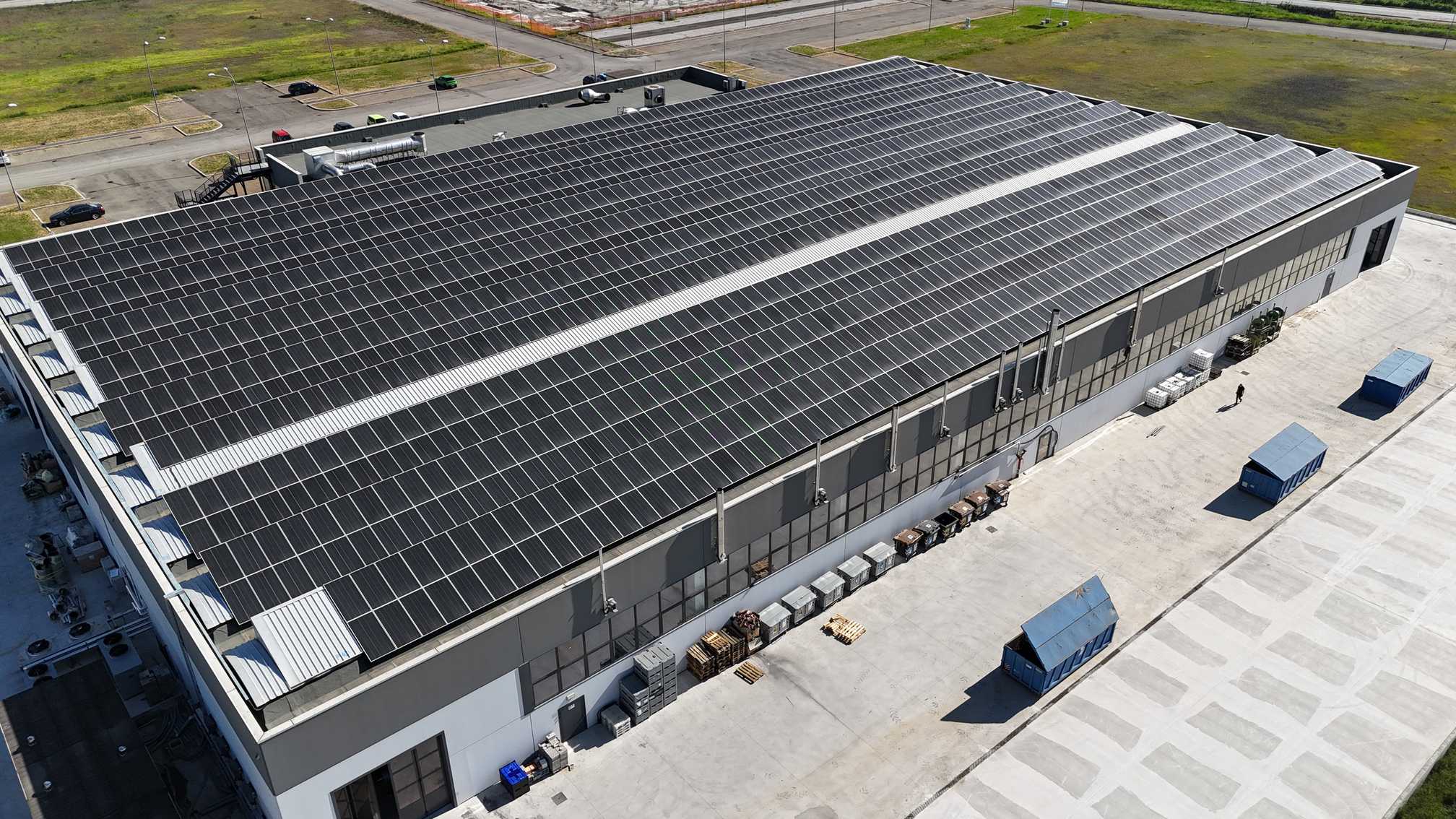
Photovoltaic power can power loads while producing electricity, reducing the need for electricity during sunny hours.
Industrial rooftop photovoltaics turn your roof into a resource for your business. We design systems for factories, warehouses, and logistics centers, based on actual consumption and the way you work.
To choose the right size, we compare expected production, consumption during the day, shifts and downtime periods. We distinguish the energy that can be used in the company from the energy that can be fed into the grid.
Photovoltaic power can power loads while producing electricity, reducing the need for electricity during sunny hours.
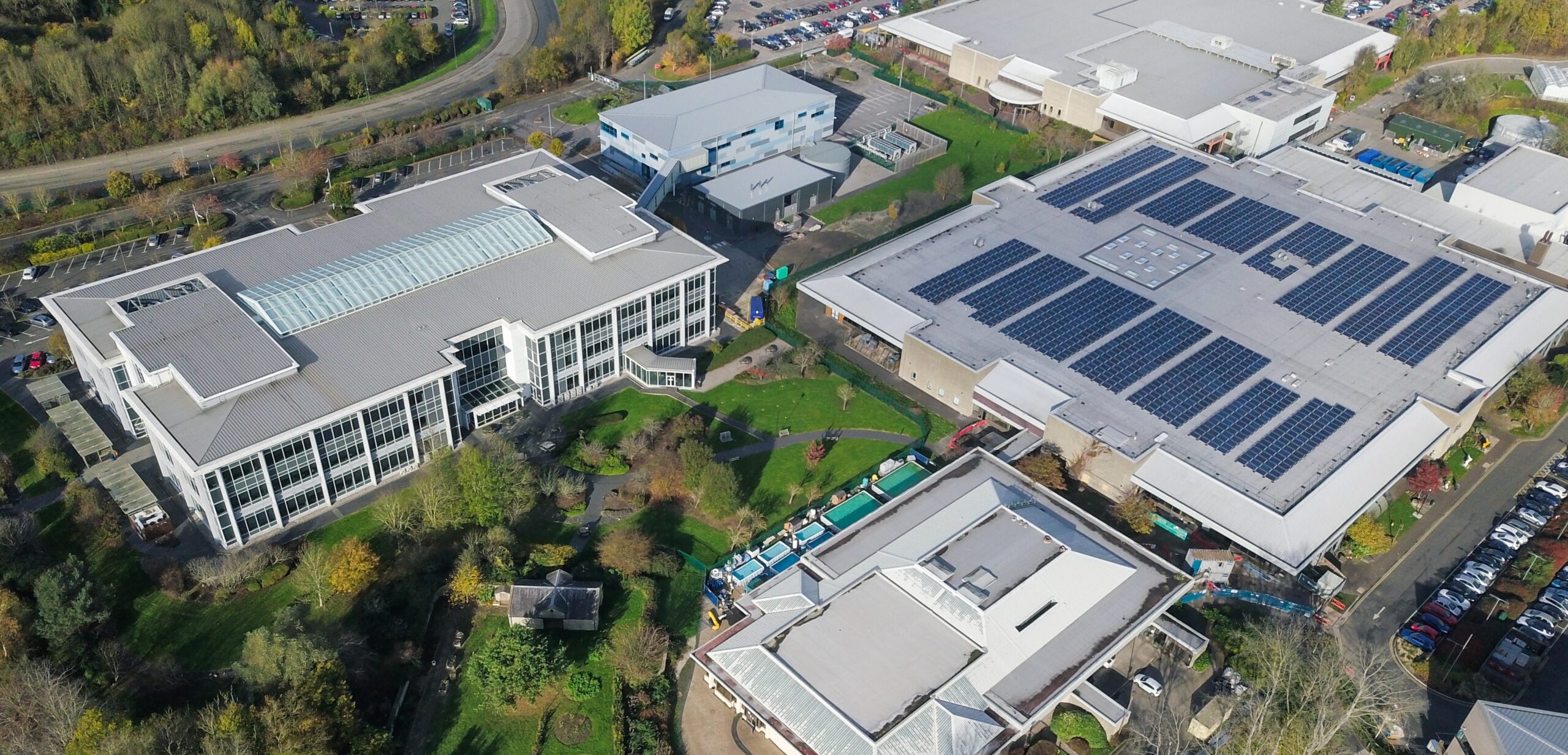
An appropriate cover can accommodate the energy production while leaving the parking areas available for your business.
We compare power, self-consumption and investment, stating the assumptions on which the evaluation is based.
The coverage, electrical system and work organization must work together. We consider structural checks, the condition of the pavement, fasteners, waterproofing, shade, and access for maintenance.
We assess the applicable fire safety requirements and their integration with electrical panels, cabinets, and the network. If necessary, we coordinate photovoltaic systems with the renovation of the roof and the eventual asbestos remediation.
Three contexts to evaluate based on the site data.
Lines, compressors and services active during the day. We compare the load curve with the solar production to prioritize the energy used directly.
Objective: reduce withdrawals with a cut that is consistent with the shifts.
Air conditioning, vehicle handling and charging have different rhythms. We analyze the uses of buildings, the planned developments, and the limits of connectivity.
Objective: to enhance the roof according to the operation of the park.
Coverings to be renewed or materials to be refurbished. We study the work phases, access points and interference with the company.
Objective: to integrate building security and photovoltaic production.
Bills, collection curves, shifts and development programs define the starting point.
Coverage, structures, shade, technical spaces and electrical system all come into the evaluation.
We compare the configurations and coordinate installation, checks and procedures with the company’s business activities.
Monitoring and maintenance are defined according to the plant and the agreed service.
We evaluate a BESS when production and consumption do not coincide. Power, capacity, and management depend on the available surpluses and subsequent withdrawals.
The suitability of a building is assessed on a case-by-case basis. It takes into account load-bearing capacity, the condition of the roof, fixing systems, shading, accessibility, and safety. On-site inspections and technical assessments define the necessary interventions.
The surface offers possibilities, but the size depends on consumption, the value of the self-consumed and input energy, costs, and connection. More than one configuration should be compared.
The construction site must be planned in collaboration with the company. Accesses, lifting operations, and electrical connections may require dedicated phases or scheduled interruptions. Timelines and interference are determined after the site analysis is completed.
Yes, after verifying components, electrical system, connection, and authorized configuration. Expansion or BESS require dedicated evaluation; operation during a blackout is not automatic.
Tell us where the site is located, how the company operates, and what surfaces are available. Bills and collection curves help us to set a concrete assessment.
We use cookies to improve your experience on our site. By using our site, you consent to the use of cookies.
Manage your cookie preferences below:
Essential cookies enable basic functions and are necessary for the proper functioning of the website.
These cookies are required for adding comments to this website.
Statistics cookies collect information anonymously. This information helps us to understand how visitors use our website.
Google Analytics is a powerful tool that tracks and analyses website traffic for informed marketing decisions.
Service URL: policies.google.com (opens in a new window)
Puoi trovare maggiori informazioni nella nostra Privacy Policy and in our Privacy Policy.